Ryan delivery Massage & Body treatments to your home with reasonable price !!!!
What is cellulite?
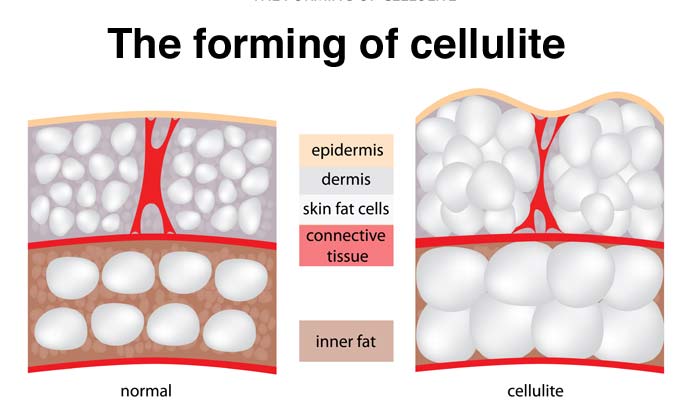
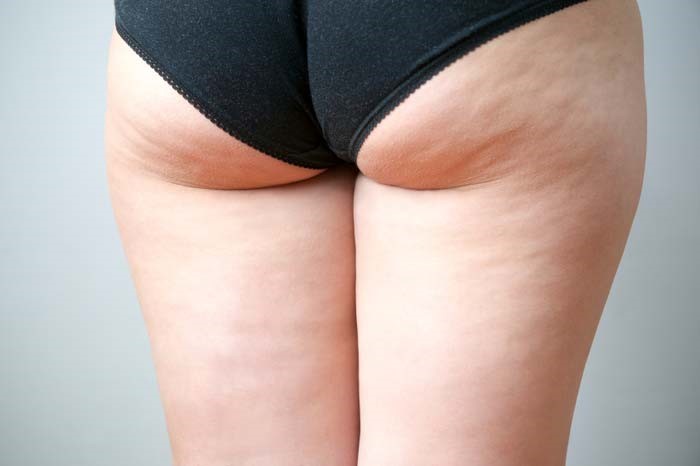
Cellulite is a condition in which the skin appears to have areas with underlying fat deposits, giving it a dimpled, lumpy appearance. It is most noticeable on the buttocks and thighs, and usually occurs after puberty.
Cellulite is also known as adiposis edematosa, dermopanniculosis deformans, status protrusus cutis, and gynoid lipodystrophy in the medical field and as orange peel syndrome, cottage cheese skin, hail damage, and the mattress phenomenon in colloquial language.
Cellulite is often classified using three grades:
- Grade 1 cellulite sees no clinical symptoms, but a microscopic examination of cells from the area detects underlying anatomical changes.
- Grade 2 cellulite requires the skin to show pallor (pastiness), be lower temperature, and have decreased elasticity, in addition to anatomical changes noted by microscopic examinations.
- Grade 3 cellulite has visible roughness of the skin (like an orange peel) along with all grade 2 signs.
Although cellulite can affect both sexes, it is much more common in females, mainly because they are more likely to have particular types of fat and connective tissue.
What causes cellulite?
The causes of cellulite are not well understood, but there are several theories that have been put forth as explanations. Among these are:
- Hormonal factors - hormones likely play an important role in cellulite development. Many believe estrogen, insulin, noradrenaline, thyroid hormones, and prolactin are part of the cellulite production process.
- Genetics - certain genes are required for cellulite development. Genes may predispose an individual to particular characteristics associated with cellulite, such as gender, race, slow metabolism, distribution of fat just underneath the skin, and circulatory insufficiency.
- Diet - people who eat too much fat, carbohydrates, or salt and too little fiber are likely to have greater amounts of cellulite.
- Lifestyle factors - cellulite may be more prevalent in smokers, those who do not exercise, and those who sit or stand in one position for long periods of time.
- Clothing - underwear with tight elastic across the buttocks (limiting blood flow) may contribute to the formation of cellulite.
How can cellulite be removed?
There are several therapies that have been suggested to remove cellulite, but none have been supported in the scientific or medical literature.
Therapeutic methods that are physical or mechanical include:
- pneumatic massages
- massages that stimulate lymphatic flow
- heat therapy
- ultrasound
- radio frequency therapy
- magnetic therapy
- radial waves therapy
- endermologie
- electrical stimulation
Anti – Cellulite Massage
Massaging techniques to reduce cellulite | ◄ ► |
Massage can aid the circulatory and lymphatic systems. Massaging cellulite is also beneficial for targeting those difficult areas that can’t always be targeted through exercise, such as the inner knee and upper thigh.
Follow these guidelines from Lotte Tissenkopfa (who developed the all natural Madara anti-cellulite skincare range) on the correct way to massage your skin:
  © Madara |
1. Preparation: Apply oil, starting from feet or knees and moving upwards, to help encourage the increased flow of blood through the peripheral veins and capillaries of your circulatory system.
2. Kneading massage: Use finger kneading for smaller areas (inner knee, upper arms or calves) and hand kneading on larger areas (hips, thighs and stomach) to bring the blood closer to the surface. It is a squeeze-and-lift type of massage - like kneading bread dough - which eliminates waste deposits.
3. Knuckle massage: Use your fists to crush into those ugly cellulite bulges. By pressing hard enough to break up the fat deposits, your body's own metabolism will be able to better deal with them naturally.
4. "S" massage: This means grasping a large portion of the problem area in each hand, making sure your thumbs are at right angles. Twist the flesh in opposite directions as if to form the letter "S" with the folds.
5. Wringing massage: Relax your muscles. Grasp portions of flesh with both hands and twist as if wringing out a wet towel. Use this massage on thighs and fleshy hip areas.
6. To end: Finish your daily massage with heavy stroking with deep pressure (as in step 1) - from the extremities upwards. This is to encourage the upward flow of freed deposits to their ultimate elimination by metabolic action of lymphatic drainage and normal blood flow.