Ryan delivery Massage & Body treatments to your home with reasonable price !!!!
Aloe Vera (Aloe barbadensis)
What is Aloe Vera?
An Introduction to Aloe Vera
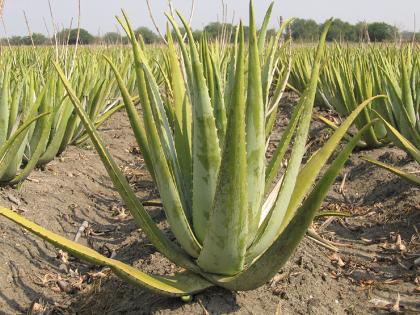
Aloe Vera (or Aloe Barbadensis Miller) is a plant - its that simple! It is a member of the onion and lily family but grows two to three feet tall with large thick leaves. Aloe flourishes in hot dry climates such as the Caribean, Far East and parts of America. It takes around four years until it is ready for harvest and then, just like any vegetable juice, it must be stabilised before it can start to oxidize and loose its goodness.
Its not a fad, or 'the latest thing in health care' although many spurious products have recently appeared on the market.
Its not a 'miracle cure' although after reading many articles on the subject you'll be forgiven for thinking that is exactly what it is! You can find it mentioned in the bible (Numbers 24:6, John 19:39, Psalms 45:8) and dotted through the history books where it is said to have been used by Cleopatra, Alexandra the Great and in the film Gerry MacGuire.
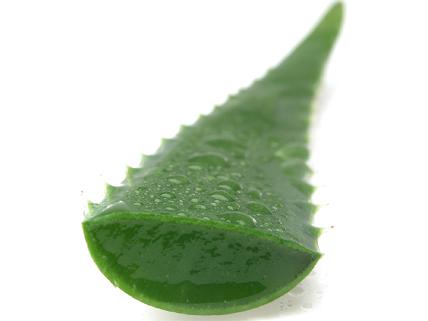
It can be applied to the skin topically or taken internally as a drink. If you go on holiday to the caribbean you will see large leaves being sold on the beach to relieve sunburn and offered as a drink to aleviate indigestion but how can it be so many things to so many people? The answer is in its contents.
What does Aloe Vera contain?
The rich gel inside an Aloe plant is made up of over 75 different ingredients even though 95% of it is water. These nutrients include
- Vitamins - including C,E,Beta Carotene, B12
- Minerals - including magnesium, manganese, zinc, copper, chromium, calcium, sodium, potassium, iron.
- Amino Acids - 20 out of the 22 required by the body as the building blocks for protein and 7 out of the 8 that the body cannot manufacture itself
- Sugars - including long chain polysaccharides that help boost the immune system
- Enzymes - to help break down and digest food
- Plant Sterols - that act as powerful anti-inflammatory agents
- Lignin - a woody substance that helps Aloe penetrate the skin
- Saponins - soapy substances with an anti-microbial effect
- Anthraquinones - powerful natural painkillers
- Salycylic Acid - anti-inflammatory, helps break down dead tissue
How Does Aloe Vera Work?
Not all Aloe Vera does work. There are hundreds of types and the one found to be the most beneficial is Aloe Barbadensis Miller. But only Good Quality Aloe Vera is really effective.
It is most popular when applied to the skin or taken orally, usually as a gel, juice or drink. There are also companies that produce it in injection form. This is not recommended in any circumstances and such products are banned from the UK and the United States as they have caused death in patients.
How does Aloe Vera Work on the Skin?
Aloe Vera is highly prized because it penetrates deep into the skin, right down to the level where skin cells are manufactured. Unfortunately you need a lot of Aloe to make sure that what penetrates the skins surface does any good. To be sure make sure any Aloe Cream you are thinking of buying, or have bought, has Aloe Vera as its number one ingredient
Because Aloe Vera is a natural substance, not a drug, it works with the body at cell level, feeding and repairing. It works from the bottom up so it can sometimes take days or even weeks to see a result and in the meantime the skin can actually look worse as impurities are pushed out. Such rashes can often be mistaken for an allergic reaction although it should be noted that some people do get genuine side effects from Aloe Vera.
It is these actions that lead people to claim success with wound healing, eczema, psoriasis, burns, acne and stings.
There are cheaper methods to make your skin look better in a matter of days. They mainly rely on putting certain oils in the cream which block up the skins pores. Unable to sweat properly water builds up inside the skin and makes wrinkles look as if they disappear (see diagrams). The real damage is in later life.
The following is of important consideration when trying Aloe Vera on the skin:
- If the amount of Aloe Vera in the product is small (it is low on the ingredients list) you may not feel any benefit. It may only have been added for advertising purposes.
- If the Aloe Vera has been mixed with cheap ingredients (such as alcohol, parafin or oil) these may negate any positive effect.
- The Aloe Vera in the product must be of a high enough quality to actually have any affect.
- If you use an oil based product first and then apply Aloe Vera the oil may actually block the Aloe and you will feel and see no effect